Author: TN

  • Most Popular Blue Cruise Destinations in Turkey and Mediterranean

    Most Popular Blue Cruise Destinations in Turkey and Mediterranean

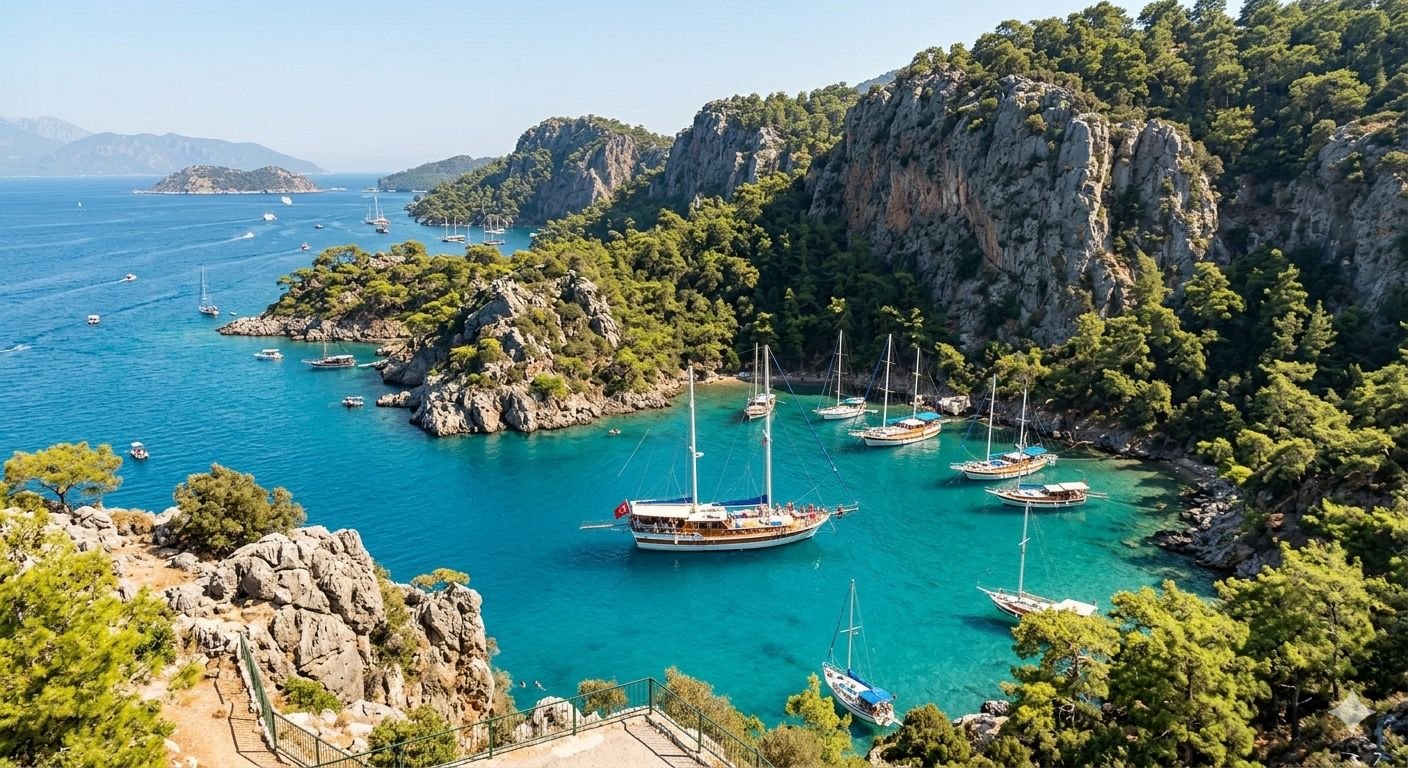
    The term “Blue Cruise” evokes a specific kind of maritime magic. Coined by Turkish author Cevat Sakir Kabaagacli-also known as the “Fisherman of Halicarnassus”-it refers to a leisurely voyage along the southwestern coast of Turkey, and increasingly into Greek waters, aboard a traditional gulet. It is less about rushing from port to port and more about the journey itself: swimming in secluded coves, dining under the stars, and waking up to the sound of gentle waves.

    While the entire Turquoise Coast is stunning, a few destinations have become legendary. Here is a detailed guide to the most popular stops on any Blue Cruise itinerary.

    The Turkish Riviera: The Classic Route

    Departing from ports like Bodrum, Marmaris, or Fethiye, these destinations form the backbone of the traditional Blue Cruise.

    1. Bodrum: The Gateway to the Blue

    Often the starting point, Bodrum is a vibrant peninsula where ancient history meets modern hedonism.

    • The Landmark: The Castle of St. Peter (Bodrum Castle), home to the Museum of Underwater Archaeology. Seeing it from the sea at sunset is a rite of passage.
    • The Vibe: Bodrum is energetic. The harbor is lined with luxury yachts, white-washed shops, and bustling restaurants.
    • Don’t Miss: Sailing to the nearby Karaada (Black Island) to swim in the Cleopatra’s Bath-a thermal cave said to have been a gift from Mark Antony to Cleopatra.

    2. Marmaris: Pine-Clad Majesty

    Marmaris is defined by its dramatic backdrop: the pine-covered Taurus Mountains that meet the sea.

    • The Landscape: Unlike the barren islands further south, Marmaris offers deep green forests rolling down to electric blue water. The contrast is breathtaking.
    • The Harbor: The long, horseshoe-shaped marina is protected by the mountains, making it a calm anchorage.
    • Don’t Miss: A walk through the Marmaris Castle and the old town. For swimmers, the nearby Turunc and Icmeler bays offer shallow, warm waters perfect for families.

    3. Gocek: The Paradise of Islands

    If you want to see the postcard version of the Blue Cruise, you go to Gocek. It is a small town surrounded by five distinct bays and 12 islands.

    • The Vibe: Quiet, upscale, and nature-focused. Gocek is for those who want to swim, sail, and sleep.
    • Top Bays:
      • Tersane Island: Famous for its sunken ruins and a restored dockyard from the Ottoman Empire.
      • Cleopatra’s Bay (Gocek): A perfectly circular bay with powdery white sand (imported from Egypt, legend says).
      • Sarsala Bay: A long, sheltered inlet ideal for a sunset barbecue.
    • Don’t Miss: The 12 Islands tour. Each island has a distinct character-one has a sunken city, another has a natural mud bath.

    4. Fethiye: The Tomb of Amyntas

    Fethiye is the end of the line for many short cruises, but it is a destination in its own right.

    • The Landmark: The rock-cut Tombs of Amyntas, built in 350 BC, loom over the city. They are lit up at night, creating an eerie, beautiful glow.
    • The Activity: Oludeniz (Blue Lagoon). Technically a separate stop, this protected national park is a lagoon of gradient turquoise hues. It is also the world’s top paragliding spot—you can jump off the 1,900-meter Babadağ mountain and land right on the beach.
    • Don’t Miss: The abandoned Greek village of Kayakoy. While not a swim stop, a short taxi ride here offers a hauntingly beautiful hike.

    5. The Gulf of Hisaronu (Orhaniye & Selimiye)

    This deep gulf, protected from high winds, is known for its unique geography.

    • The Phenomenon: Kızkumu (Maiden’s Sandbar). A natural sand path extends 500 meters into the middle of the bay. Local legend says a maiden dropped her necklace here; you can walk on the sea to retrieve it.
    • The Vibe: Slow and traditional. These bays are where the “old Turkey” feels most alive.

    The Greek Extension: Crossing the Aegean

    While the classic Blue Cruise is Turkish, many modern itineraries (especially 7-day or longer) cross the narrow strait to the Greek Dodecanese islands.

    6. Symi: The Painted Lady

    Symi is arguably the most beautiful port in the Greek islands. As you enter the harbor, you are greeted by a horseshoe of neo-classical mansions in shades of ochre, terracotta, and pastel blue.

    • The Landmark: The Panormitis Monastery, a fortified Byzantine monastery dedicated to the Archangel Michael.
    • The Vibe: Photogenic and calm. It feels like a movie set.
    • Don’t Miss: Climbing the 500+ steps of the Kali Strata (or taking the donkeys) to the upper town for panoramic views.

    7. Rhodes: The Medieval Fortress

    Rhodes is the largest of the Dodecanese and the most historically dense.

    • The Landmark: The Palace of the Grand Master, a massive medieval castle built by the Knights of St. John.
    • The Vibe: Lively, historic, and cosmopolitan. The old town is a UNESCO World Heritage Site.
    • Don’t Miss: The Valley of the Butterflies (if visiting in late summer) or simply walking the Street of the Knights to feel the Crusader history.

    8. Kos: The Island of Hippocrates

    Kos is flat, green, and bike-friendly-very different from the rocky cliffs of Symi.

    • The Landmark: The Tree of Hippocrates, where the “Father of Medicine” is said to have taught his students.
    • The Vibe: Laid-back beach town meets archaeological park.
    • Don’t Miss: The ancient Agora and the Castle of the Knights located right at the harbor entrance.

    The Secret Gems (Off the Beaten Path)

    For those who have done the main route, the true Blue Cruise magic lies here.

    9. Kekova (Sunken City)

    Located between Kaş and Demre, Kekova is an archaeological wonder.

    • The Experience: You don’t swim over the ruins; you sail beside them. A series of earthquakes in the 2nd century AD sank a Lycian city. You can see submerged staircases, building foundations, and amphorae in the crystal-clear water through the glass bottom of a tender boat.
    • The Stop: The village of Kalekoy (Simena), accessible only by sea, where a tiny Byzantine castle sits above sarcophagi that spill into the water.

    10. Kas: The Diver’s Paradise

    While other towns are for sailing, Kas is for under sailing. It is Turkey’s premier diving destination.

    • The Activity: Diving to a B-24 Liberator bomber from WWII resting at 30 meters, or swimming through underwater canyons.
    • The Vibe: Bohemian and artsy. Kas has narrow, flower-covered streets, excellent boutique hotels, and the famous Lycian Way hiking trail starting point.

    Planning Your Route: Choosing the Right Duration

    DurationBest RouteVibe
    3-4 DaysBodrum → Göcek (or reverse)Fast-paced, highlights only. Great for first-timers.
    7 DaysFethiye → Kekova → Kaş → GöcekThe perfect balance. Includes Sunken City and swimming.
    10-14 DaysBodrum → Greek Islands (Symi/Rhodes) → FethiyeThe “Grand Tour.” Customs clearance required, but incredible variety.

    Best Time to Cruise

    • June & September (Sweet Spot): The sea is warm (24-26°C / 75-79°F), the sun is strong but not scorching (30°C / 86°F), and the harbors are busy but not chaotic.
    • July & August (High Season): Peak heat (35-40°C / 95-104°F) and peak crowds. The Meltemi wind can be strong, which is great for sailing but rough for swimming.
    • May & October (Shoulder Season): Quieter and cheaper. The water is cooler (20-22°C / 68-72°F), and you might need a jacket at night, but you will often have entire bays to yourself.

    Final Word

    The Blue Cruise is not just a list of destinations; it is a state of mind. Whether you are gazing at the floodlit Tomb of Amyntas from the deck, snorkeling over a 2,000-year-old sunken city in Kekova, or watching the sun set behind the windmills of Symi, you are participating in a tradition that has captivated travelers for over half a century. The destinations provide the backdrop, but the sea-and the crew who guide you through it-provides the soul.

  • Beyond the Blue Horizon: An Insider’s Look at the Gulet Crew

    Beyond the Blue Horizon: An Insider’s Look at the Gulet Crew

    When you picture a gulet holiday, your mind likely drifts to visions of turquoise water, sun-drenched wooden decks, and hidden coves accessible only by sea. But the true magic behind this idyllic escape isn’t just the handcrafted boat—it is the dedicated, hardworking crew who operate tirelessly behind the scenes. They are the soul of the journey, transforming a beautiful wooden vessel into a floating home.

    Who Makes Up the Gulet Crew?

    Unlike large cruise ships with hundreds of staff, a gulet operates with a small, tight-knit team. The crew size typically ranges from 3 to 6 professionals, depending on the size and luxury level of the vessel. While roles often overlap in the spirit of teamwork, each member has distinct responsibilities.

    The Captain: The Master of the Coast

    The captain is the undisputed leader of the vessel, responsible for navigation, safety, and the overall itinerary. However, on a gulet, the captain is also a host, a guide, and a storyteller. Most captains possess an encyclopedic knowledge of the local coastline, often having sailed these waters since childhood. They don’t adhere to a rigid, pre-set route; instead, they tailor the journey to the group’s energy, choosing a lively bay for socializing or a secluded cove for tranquility based on the wind and light.

    The Chef: The Keeper of Flavors

    Dining on a gulet is a highlight of the experience. The chef is responsible for all meals, often starting the day before sunrise to source the freshest ingredients from local markets. This role goes beyond simple cooking; it is about creating a culinary journey. A skilled gulet chef will prepare massive breakfast spreads, multi-course lunches, and grilled dinners under the stars, all while accommodating specific dietary restrictions. Meals are rarely plated individually; instead, they are served “family style” to encourage sharing and connection.

    The Deckhand/Sailor: The Engine of the Boat

    Deckhands are the muscles of the operation. Their duties include the physical tasks of sailing: mooring, anchoring, cleaning, and maintaining the vessel. When the gulet moves to a new bay, the deckhand is responsible for the lines, the dinghy, and the anchor. They also assist guests with water toys like paddleboards and kayaks. In the hierarchy of the boat, they are essential for keeping the exterior spotless and the machinery running smoothly.

    The Steward/Stewardess: The Quiet Presence

    On larger or luxury gulets, a steward or hostess is present to handle hospitality. Their service is designed to be “invisible”—anticipating needs before a guest speaks. They are responsible for serving drinks, tidying cabins, fluffing cushions, and ensuring the atmosphere remains serene. They bridge the gap between the heavy work of the deckhands and the culinary art of the chef.

    A Day in the Life: Rhythm of the Sea

    Life for the crew begins early and ends late, yet it is driven by the natural rhythm of the sea rather than the clock.

    • The Early Shift: While guests sleep, the deckhand is washing down the decks and the chef is preparing a hot breakfast. The captain is already checking the weather radar to plan the day’s route.
    • Cruising & Service: As the gulet cruises to the next swim stop, the steward serves coffee and snacks. If the weather is right, the crew will hoist the sails. Because gulets are heavy wooden vessels, sailing requires precise coordination between the captain on the helm and the deckhand on the lines.
    • Evening Rituals: As the sun sets, the crew works in overdrive. The deckhand secures the boat for the night, the chef fires up the barbecue on the back deck, and the steward sets the table for a dinner under the stars.

    The Challenges and Rewards of the Job

    Working on a gulet is a lifestyle, not just a job. It comes with unique challenges and unparalleled rewards.

    Challenges:

    • Intense Season: The work is grueling, especially during the peak summer season. Crew members often work 16-18 hour days, seven days a week.
    • Close Quarters: Living and working in close proximity with the same few people requires immense patience and strong interpersonal skills.
    • Unpredictability: The crew must adapt instantly to changing weather, mechanical issues, or shifting guest preferences.

    Rewards:

    • Natural Office: The “office view” is unbeatable—sunsets over the Aegean, swimming in crystal clear waters during breaks, and waking up to sunrise in secluded bays.
    • Family Bonds: The intensity of the work creates a strong bond among crew members. They often describe their teammates as a second family.
    • Guest Satisfaction: The greatest reward for the crew is seeing the genuine joy and relaxation of the guests. They take pride in knowing they created a memorable holiday.

    How to Join a Gulet Crew: A Career Guide

    For those inspired to join this world, entering the yachting industry requires specific qualifications, particularly due to safety regulations.

    Essential Certifications

    Unlike a standard job, working at sea requires mandatory safety training. The most important credential is the STCW Basic Safety Training (BST). This 5-day course covers:

    • Personal Survival Techniques
    • Fire Prevention and Fire Fighting
    • Elementary First Aid
    • Personal Safety and Social Responsibilities

    Additionally, crew members need a seafarer’s medical certificate (such as ENG1) to prove they are fit for duty at sea.

    Entry-Level Strategy

    Most people start as a Deckhand or Steward/Stewardess on a smaller charter boat or gulet to gain experience. It is highly recommended to apply in popular yachting hubs (like Turkey, Croatia, or Montenegro) just before the season starts (late spring). Fluency in English is essential, and other languages (like German, Russian, or Turkish) are a major advantage.

    The Crew’s Private Space: Separation and Respect

    A crucial aspect of gulet design is the separation between guest and crew areas. Crew cabins are almost always located in the bow (front) of the boat, completely separate from the guest cabins, which are usually midship or aft. This separation ensures that guests have total privacy—they rarely see the crew sleeping or resting, maintaining the illusion that the boat runs like a well-oiled, invisible machine.

    Conclusion

    The next time you step onto a gulet, look past the polished wood and the sparkling water. Watch the deckhand jump to secure the lines, appreciate the complex flavors coming from the chef’s galley, and trust the captain’s instinct as he steers toward a quiet bay. They are not just service providers; they are maritime professionals, local historians, and silent guardians of your peace at sea. They are what turns a boat trip into a true voyage.

  • A Cabin Charter an easy and affordable way to explore The Mediterranean coast

    A Cabin Charter an easy and affordable way to explore The Mediterranean coast

    Imagine waking up to the gentle lapping of turquoise water against a wooden hull, stepping out of your cabin to find a new secluded bay waiting to be explored, and spending your day swimming in crystal-clear coves before enjoying a freshly prepared Turkish dinner under the stars. This is the reality of a Blue Cruise cabin charter holiday -and it might just be the most relaxing vacation you’ve never considered.

    If you love the idea of a yacht holiday but don’t have the budget—or the group size-to charter an entire boat, cabin charter offers the perfect solution. Here’s everything you need to know about this unique way to experience the Turkish and Greek coasts.

    What Exactly Is a Blue Cruise Cabin Charter?

    A Blue Cruise is a voyage along Turkey’s stunning southwestern coastline aboard a traditional wooden sailing vessel called a gulet . These handcrafted boats, typically 15 to 40 meters in length, blend classic Mediterranean design with modern comforts .

    cabin charter is simply the pay-per-cabin version of this experience. Instead of renting the entire gulet (which can cost thousands of euros per day), you reserve one cabin-just like booking a hotel room-and share the common areas, meals, and itinerary with other travelers from around the world . Think of it as a floating boutique hotel that moves to a new picturesque location every day.

    Who Is Cabin Charter For?

    Cabin charters appeal to a surprisingly wide range of travelers:

    • Solo travelers and couples who want the yacht experience without the yacht price tag
    • Small groups of friends who can’t agree on dates or fill an entire boat
    • First-time cruisers looking for a low-commitment introduction to life at sea
    • Budget-conscious adventurers who still want something special
    • Social travelers who enjoy meeting people from different cultures 

    The atmosphere on board is generally relaxed and friendly. Since most cabin charters are multinational affairs, you might find yourself sharing breakfast with Italians, swapping travel stories with Australians, and learning backgammon from a Turkish crew member-all in the same afternoon .

    The Best Routes and Destinations

    The classic Blue Cruise region stretches along Turkey’s Turquoise Coast, from Bodrum in the west to Antalya in the east. Here are the most popular itineraries:

    The Classic: Bodrum – Gulf of Gökova – Bodrum

    This 7-night route is considered the “original” Blue Cruise, following the path made famous by Turkish writer Cevat Şakir in the 1950s. You’ll visit pristine bays, small fishing villages, and ancient ruins accessible only by sea .

    The Lycian Coast: Fethiye – Kekova – Fethiye

    This route takes you past the sunken ruins of Kekova, the charming harbor of Kaş, and the famous Blue Lagoon at Ölüdeniz. It’s widely considered the most scenic stretch of the entire coast .

    Greek Island Hopping: Bodrum – North Dodecanese – Bodrum

    For those with a Schengen visa, several itineraries include stops at Greek islands like Kos, Rhodes, Symi, and Patmos. You’ll experience two countries in one week .

    Mini Cruises: 3 or 4 Nights

    Short on time? Many operators offer 3-night/4-day mini cruises perfect for extending a long weekend or for first-timers testing the waters. These typically run between Fethiye, Göcek, and Marmaris .

    What’s Included in the Price?

    Cabin charter pricing is refreshingly straightforward compared to private yacht rentals. Most operators offer full board accommodation, which typically includes :

    • Breakfast, lunch, and dinner (prepared fresh on board)
    • Afternoon tea with cookies or cake
    • Crew services (captain, cook, deckhands)
    • Fuel for 4-6 hours of cruising per day
    • Port taxes and mooring fees in home waters
    • Bed linens and towels (though usually not beach towels)
    • Basic water sports equipment (snorkels, masks, fishing gear, canoes)

    What’s usually not included :

    • Alcoholic and soft drinks (purchased from the onboard bar)
    • Port taxes for Greek islands (€50–210 per person, paid in cash on board)
    • Airport transfers
    • Crew tips (optional but customary, typically 5–10% of the cruise price)
    • Premium water sports (jet skis, banana boats, etc.)

    All-Inclusive Options

    Some operators now offer all-inclusive cabin charters that add unlimited local beer, wine, and soft drinks (typically served from 11:00 to 23:30) to the package . This is an excellent value if you plan to drink regularly during the week.

    What to Expect On Board

    Cabins and Facilities

    Cabins on cabin charter gulets are compact but comfortable—think sleeper train cabin rather than hotel room. Each cabin typically includes :

    • A double bed or two twin beds
    • Private ensuite bathroom with shower and toilet
    • Storage lockers (pack light—space is limited!)
    • 220V electricity for charging devices (though often only when the generator is running)

    Important note about air conditioning: On standard cabin charters, air conditioning is either not available or limited to 5–6 hours per day, typically in the evening . Premium or “deluxe” category charters may offer 24-hour AC. If this matters to you, check carefully before booking.

    Life on Deck

    The heart of any gulet is the aft deck—a large shaded area with a communal dining table and cushioned seating. This is where you’ll eat all your meals, play games, and socialize with fellow passengers. The foredeck (front) is usually equipped with sun loungers for sunbathing .

    Shoes are not worn on deck. You’ll go barefoot or wear soft-soled boat shoes. This tradition protects the wooden deck and adds to the relaxed, informal atmosphere .

    The Daily Rhythm

    A typical day on a cabin charter follows a gentle, unhurried pace :

    • 08:30 – 09:30 – Breakfast (Turkish style: cheese, olives, tomatoes, cucumber, eggs, honey, fresh bread)
    • 10:00 – 12:00 – Morning sail to the next cove
    • 12:00 – 14:00 – Swimming, snorkeling, sunbathing
    • 13:00 – Lunch (light meal with salad and fruit)
    • 14:00 – 16:00 – Afternoon sail or extended swim stop
    • 16:30 – Afternoon tea and cookies
    • 17:00 – 19:00 – Final swim stop of the day
    • 20:00 – Dinner (multi-course Turkish meal with meze, main course, salad, fruit)
    • Evening – Stargazing, conversation, or an optional night swim

    The boat typically anchors in a different bay every night, meaning you wake up to a new view each morning .

    Food and Dining

    Turkish gulet cuisine is a genuine highlight. Meals are prepared fresh on board by the cook and feature local ingredients and traditional recipes .

    Breakfast is a spread of cheeses, olives, tomatoes, cucumbers, eggs, jam, honey, and fresh bread. Lunch is usually a lighter affair—perhaps a vegetable dish with rice or pasta, accompanied by a large salad and fresh fruit. Dinner is the main event: two or three meze (small appetizers), a main course of chicken, meat, or fish, rice or bulgur, salad, and more fresh fruit.

    Special diets: Most operators accommodate vegetarian and pescetarian diets at no extra charge. Vegan, gluten-free, and lactose-free menus are often available for a supplement (typically €30–70 per week) but must be requested at the time of booking .

    Important: You generally cannot bring your own alcoholic beverages on board. Drinks must be purchased from the boat’s bar. This is standard across the industry .

    Practical Information and Rules

    Booking and Payment

    • Deposit: Most operators require a 50% deposit to secure your cabin, with the balance due 30 days before departure .
    • Guaranteed departures: Reputable operators offer guaranteed departures—meaning the trip runs even if only a few cabins are booked .
    • Boat assignment: You typically won’t know the exact name of your gulet until 1–2 days before departure. Cabin assignments are often made via a ballot system on embarkation day .

    Age Restrictions

    Most cabin charters do not accept children under 8 or 10 years old . This policy exists because the boats aren’t child-proofed, and the social atmosphere is generally adult-oriented. If you’re traveling with young children, private charter is a better option.

    Check-In and Check-Out

    • Check-in: 15:00 on the first day (you’ll have dinner on board but won’t sail until the next morning)
    • Check-out: 09:00–10:00 on the final day (after breakfast) 

    What to Pack

    The golden rule: pack light in soft-sided luggage. Suitcases are difficult to store in small cabins .

    Essentials include:

    • Swimsuits (at least two, so one can dry)
    • Sunscreen, hat, sunglasses
    • Beach towel (not always provided)
    • Lightweight clothing (shorts, t-shirts, sundresses)
    • One sweater or jacket for cooler evenings
    • Soft-soled shoes for deck (and sandals for shore)
    • Seasickness medication (take it before you feel ill)
    • Camera (the sunsets alone are worth it)
    • Power bank for charging devices
    • Passport and any necessary visas

    Seasickness

    The Mediterranean is generally calm, especially in summer, but seasickness can affect anyone. The best prevention :

    • Stay on deck and watch the horizon
    • Take medication before departure (not after symptoms appear)
    • Avoid reading or staring at screens while underway
    • Ginger (tea, candy, or raw) can help mild cases

    When to Go

    The Blue Cruise season runs from late April through October .

    MonthAir TempSea TempVibe
    April–May24–26°C18–20°CQuiet, green landscapes, occasional showers
    June30°C22°CPerfect balance—warm but not scorching
    July–August33–34°C24–25°CPeak season, hottest weather, busiest bays
    September30°C24°CStill warm, fewer crowds, ideal
    October24°C22°CQuieter, cooler evenings, great value

    June and September offer the best combination of good weather, comfortable swimming, and reasonable prices .

    How Much Does It Cost?

    Cabin charter prices vary by route, boat category, and season. As a general guide for 7-night cruises :

    • Low season (April–May, October): €370–€550 per person
    • Shoulder season (June, September): €550–€750 per person
    • High season (July–August): €750–€1,100 per person

    Premium or “boutique” gulets with 24-hour AC and all-inclusive drinks can cost €1,200–€1,500 per person . Mini cruises (3–4 nights) typically range from €300–€700 .

    For comparison, chartering an entire gulet privately costs €8,000–€20,000+ per week, making cabin charter an excellent value for smaller groups .

    Tips for a Great Experience

    1. Read the fine print – Understand exactly what’s included, especially regarding air conditioning and drinks.
    2. Bring cash – Port charges for Greek islands (€50–210) are almost always paid in cash on board .
    3. Respect the limited resources – Water and electricity are finite on a boat. Take short showers and turn off lights when you leave your cabin .
    4. Don’t expect luxury – These are comfortable, charming wooden boats, not cruise ships. Embrace the rustic elegance.
    5. Be flexible – The captain has the final say on itineraries based on weather. Some of the best experiences come from unplanned stops .
    6. Learn a few words of Turkish – Merhaba (hello), teşekkür ederim (thank you), and çok güzel (very beautiful) will be appreciated by the crew.

    Is a Cabin Charter Right for You?

    A Blue Cruise cabin charter is perfect if you value authentic experiences over predictable resorts, don’t mind sharing space with interesting strangers, and want to wake up somewhere beautiful every morning. It’s less ideal if you require absolute privacy, have young children, or need rigid schedules and luxury amenities.

    For everyone else, it offers something increasingly rare in modern travel: a chance to disconnect, slow down, and remember what it feels like to have nowhere to be except exactly where you are—floating on a turquoise sea, watching the sun sink behind a ancient shoreline.

    Note: While the Mediterranean has many yacht charter options, the information above focuses primarily on the Turkish Blue Cruise tradition, where cabin charter is most developed and accessible. Always verify current policies, prices, and visa requirements with your chosen operator before booking.

  • Food and Beverage on a Blue Cruise Holiday

    Food and Beverage on a Blue Cruise Holiday

    A Blue Cruise along Turkey’s stunning Mediterranean coast is not just about turquoise waters, ancient ruins, and lazy afternoons in the sun. For many travelers, the food and beverages served on board become one of the most memorable highlights of the entire journey. Turkish cuisine, rated among the top ten in the world, takes center stage during these voyages, offering a delicious blend of Mediterranean flavors, fresh local ingredients, and centuries-old culinary traditions .

    Whether you are sailing on a traditional wooden gulet or a private charter yacht, here is everything you need to know about the food and drink experience on a Blue Cruise holiday.

    The Dining Experience On Board

    One of the unique aspects of a Blue Cruise is the setting. Meals are typically served on the rear deck (the aft deck) under a shaded canopy, with panoramic views of the sea and coastline . The combination of fresh sea air, gentle motion of the boat, and stunning scenery transforms every meal into a special occasion.

    On crewed charters, a professional cook is part of the team, responsible for preparing all meals fresh on board daily . The crew takes pride in pampering guests with delicious food, often using ingredients purchased from local markets and fishing villages during stops along the route .

    Most Blue Cruises operate on a full-board basis, which includes breakfast, lunch, and dinner . In addition, afternoon tea with cookies or cakes is a cherished daily ritual on almost every gulet .

    Breakfast: A Traditional Turkish Start

    Each day on a Blue Cruise begins with a traditional Turkish breakfast, known locally as kahvaltı (which literally means “before coffee”). This is not a quick continental breakfast but a generous spread designed to energize you for a day of swimming and sailing.

    What to Expect at Breakfast

    A typical Turkish breakfast on board includes :

    • Cheeses: A selection of white cheese (similar to feta), kaşar (yellow cheese), and sometimes lor (fresh curd cheese)
    • Olives: Both black and green varieties, often cured locally
    • Fresh Vegetables: Sliced tomatoes, cucumbers, and green peppers
    • Eggs: Usually served as an omelet, menemen (Turkish scrambled eggs with tomatoes and peppers), or boiled
    • Spreads: Honey, various jams (including sour cherry, apricot, or rose petal), butter, and sometimes tahini-molasses
    • Bread: Freshly baked Turkish white bread (ekmek), or sometimes simit (sesame-crusted bread rings)
    • Beverages: Turkish tea (çay), coffee, and fresh orange juice

    For those with a larger appetite, some boats also offer Turkish sausage (sucuk) or salami . Cereals or cornflakes may be available upon request, but it is advisable to bring your own if you prefer them .

    Lunch: Light, Fresh, and Vegetarian-Friendly

    Lunch on a Blue Cruise is intentionally lighter than dinner, as the hottest part of the day calls for refreshing, easy-to-digest meals . The focus is on fresh vegetables, olive oil-based dishes, and salads.

    Typical Lunch Offerings

    Lunch often features a variety of mezes (small appetizer-style dishes) and vegetarian options, such as :

    • Vegetable dishes: Green beans, stuffed peppers or eggplants (dolma), fried or baked vegetables (kızartma)
    • Grains: Rice pilaf, pasta, or sometimes bulgur wheat
    • Salads: Fresh seasonal salads, often served with yogurt-based dressings like cacık (yogurt with cucumber, garlic, and mint)
    • Protein: Occasionally, lighter meat or fish dishes, but lunch tends to be predominantly vegetarian

    Examples of lunch menus from actual Blue Cruise itineraries include :

    • Eggplant with minced meat, macaroni, fried mixed vegetables with yogurt, and seasonal salad
    • Vegetable meat kebab with potato purée, red mullet in olive oil, and chocolate pudding
    • Spaghetti bolognese, fried potatoes, and green salad

    Fresh fruit is almost always served after lunch, providing a naturally sweet and hydrating finish .

    Afternoon Tea: A Beloved Ritual

    Around 4:00 or 5:00 PM, the crew serves afternoon tea or coffee accompanied by cookies, biscuits, or slices of cake . This is a popular interlude, offering a chance to relax after a swim, watch the coastline drift by, and recharge before dinner.

    This simple but delightful tradition adds to the sense of being pampered and cared for throughout the day.

    Dinner: The Culinary Highlight

    Dinner is the main event of the day on a Blue Cruise. As the sun sets over the Mediterranean, guests gather on deck for a multi-course meal featuring freshly grilled seafood, meats, and an array of traditional Turkish dishes .

    The Structure of Dinner

    A typical dinner consists of :

    1. Starters / Mezes: A selection of cold and hot appetizers
    2. Main Course: Freshly grilled fish, chicken, or meat (often cooked on a barbecue)
    3. Side Dishes: Rice, bulgur, or potatoes, plus seasonal vegetables
    4. Salad: Fresh green salad or shepherd’s salad
    5. Dessert: Fresh fruit, Turkish desserts like baklava, or rice pudding (sütlaç)

    Sample Dinner Menus

    Based on actual Blue Cruise offerings, here is what you might enjoy over several evenings :

    • Fish Night: Grilled sea bream or sea bass, calamari, octopus salad, and baklava for dessert
    • Meat Night: Mixed grill (lamb and beef), rice with shrimp, fried potatoes, and caramel cream
    • Chicken Night: Chicken schnitzel or baked chicken, purée, bulgur with tomatoes, green beans in olive oil
    • Kebab Night: Vegetable and meat kebab, rice, cheese pastry

    Fish is often purchased from local fishermen or caught by the crew and guests themselves, ensuring maximum freshness . When conditions permit, the crew will organize a barbecue on deck or even on a deserted beach .

    Turkish Mezes: Small Dishes, Big Flavors

    Mezes are an essential part of Turkish dining culture, and on a Blue Cruise, they feature prominently at both lunch and dinner. These small dishes are designed to be shared and offer an incredible variety of flavors and textures.

    Popular Mezes You Might Encounter

    Meze NameDescription
    CacıkYogurt with finely chopped cucumber, garlic, and dried mint – refreshing and cooling
    Sigara Böreği“Cigarette pastries” – thin dough rolls filled with feta cheese and parsley, fried until crispy 
    DolmaVine leaves or bell peppers stuffed with rice, pine nuts, and currants (sometimes with minced meat)
    İmam BayıldıWhole eggplant stuffed with onions, garlic, and tomatoes in olive oil – a classic vegetarian dish 
    MücverZucchini fritters made with dill, parsley, onions, and eggs, lightly fried 
    KızartmaFried eggplant, peppers, and zucchini served with garlic yogurt 

    Vegetarians will find themselves exceptionally well catered to, as many mezes and lunch dishes are naturally meat-free .

    Desserts and Fruits

    No Turkish meal is complete without something sweet. On a Blue Cruise, desserts tend to be simple and fresh, though traditional sweets make appearances.

    Typical Desserts

    • Fresh Fruit: Watermelon, melon, figs, peaches, cherries, apples, and oranges are served after almost every meal 
    • Baklava: The famous pastry of paper-thin layers filled with pistachios or walnuts and sweetened with honey or syrup 
    • Sütlaç: Turkish rice pudding, baked with a caramelized top – creamy and comforting 
    • Other Sweets: Occasionally, chocolate pudding, vanilla pudding, or cream caramel (kazandibi

    Turkish delight (lokum) may also be offered with coffee after dinner.

    Beverages On Board

    Included (Non-Alcoholic) Beverages

    On most Blue Cruises, the following beverages are included in the full-board price :

    • Tea: Turkish black tea (çay), served throughout the day in small tulip-shaped glasses
    • Coffee: Usually instant or Turkish coffee (prepared in a cezve)
    • Water: Table water is generally included, especially with meals

    Some charters also include soft drinks in the package, but this varies, so it is best to check with your operator in advance.

    Beverages Available for Purchase

    Alcoholic beverages and soft drinks are typically not included in the standard price but are available on board at reasonable prices . The crew will stock the boat according to your preferences and provide an itemized bill showing the cost price .

    Common drinks available include :

    • Beer: Local Turkish beers such as Efes Pilsen or Tuborg
    • Wine: Turkish wines from regions like Cappadocia, Thrace, or Aegean (both red and white)
    • Rakı: The traditional Turkish anise-flavored spirit, often mixed with water and ice, turning milky white (nicknamed “lion’s milk”)
    • Spirits: Vodka, gin, whiskey (though these are often cheaper to purchase at duty-free before your cruise) 
    • Soft Drinks: Coca-Cola, Fanta, Sprite, fruit juices, and soda water
    • Ayran: A traditional salty yogurt drink, perfect for hot days 

    A Smart Tip for Spirits

    Many experienced Blue Cruise travelers recommend bringing your own spirits (whiskey, vodka, gin) from the airport duty-free shop, as prices for imported liquors in Turkey can be significantly inflated .

    Special Dietary Requirements

    Turkish cuisine is naturally accommodating to various dietary needs, and the crew on a Blue Cruise is typically very flexible.

    • Vegetarians: Abundant mezes, vegetable dishes, salads, and egg-based meals make vegetarian dining easy 
    • Vegans / Gluten-Free / Allergies: Simply inform the crew or your booking agent before departure. The cook can prepare dishes that suit your needs 

    For those with specific allergies (nuts, seafood, lactose, etc.), it is essential to communicate these at the booking stage so the crew can plan alternative menus .

    Self-Catering and Provisioning Options

    While most Blue Cruises are fully crewed and catered, some operators offer a self-catering option (sometimes called “bareboat” or “self-catering” charter). In this arrangement :

    • You purchase all your own food and beverages before departure
    • The crew still prepares and serves the meals at no extra cost
    • This can be more economical for large groups or those with very specific preferences

    If you are provisioning for yourself, careful planning is essential. Limited fridge and freezer space on a gulet means focusing on non-perishable items and using fresh produce quickly . A typical provisioning list for a week-long cruise might include :

    • Dry goods: Pasta, rice, bulgur, flour, lentils
    • Canned goods: Tuna, diced tomatoes, beans, corn
    • Fresh produce: Tomatoes, cucumbers, peppers, onions, garlic, potatoes, lemons, oranges, apples, watermelon
    • Protein: Chicken (frozen), fresh fish (bought daily from fishermen), minced meat for meatballs
    • Dairy: Cheese, yogurt, eggs, butter
    • Pantry staples: Olive oil, salt, spices, ketchup, mayonnaise
    • Snacks: Nuts, dried fruit, biscuits, chocolate, energy bars

    The Local Advantage: Fresh Markets

    One of the joys of a Blue Cruise is that the boat visits harbors and fishing villages every two to four days to take on fresh water and provisions . These stops allow the cook to purchase the freshest possible ingredients directly from local markets and fishermen.

    Turkish coastal towns are famous for their colorful weekly markets (pazar), where you can find :

    • Sun-ripened tomatoes that taste like nowhere else
    • Fragrant herbs like oregano, mint, and thyme growing wild on hillsides
    • Artisan cheeses and olives
    • Fresh-caught fish brought in that morning

    This farm-to-table (or sea-to-table) approach is what makes Blue Cruise dining so exceptional.

    Dietary Considerations for Seasickness

    For those prone to seasickness, it is wise to plan lighter meals rather than heavy, greasy dishes, especially on the first day or when rougher seas are forecast . The crew can advise on the expected conditions and adjust menus accordingly.

    Conclusion: A Feast for the Senses

    The food and beverage experience on a Blue Cruise holiday is far more than mere sustenance. It is an integral part of the journey that introduces travelers to the rich culinary heritage of Turkey while showcasing the freshest ingredients the Mediterranean has to offer.

    From the leisurely Turkish breakfasts overlooking calm bays, to the meze-laden lunches under shaded awnings, to the sunset dinners featuring freshly grilled fish, every meal becomes a memory. Add in the traditional afternoon tea, the chance to sip rakı as stars appear, and the warm hospitality of the crew, and you have a holiday that satisfies both the stomach and the soul.

    As the Turks say before every meal: *Afiyet Olsun! * (May what you eat bring you health and enjoyment.)


    Note: Menus and included beverages vary by boat and charter company. Always confirm the specific food and drink arrangements with your operator before booking.

  • Beyond the Steering Wheel: A Deep Dive into Turkey’s Blue Cruise

    Beyond the Steering Wheel: A Deep Dive into Turkey’s Blue Cruise

    While “Blue Cruise” might first bring to mind Ford’s driver-assist technology, for travelers and sailing enthusiasts, the term refers to something far more enchanting: Turkey’s legendary Blue Cruise (Turkish: Mavi Yolculuk). This isn’t a feature on a car; it is a week-long voyage along the Turquoise Coast, where the Mediterranean and Aegean Seas meet.

    This article explores the history, the routes, the vessels, and the practicalities of embarking on a Blue Cruise along the stunning Turkish Riviera.

    What is a Blue Cruise?

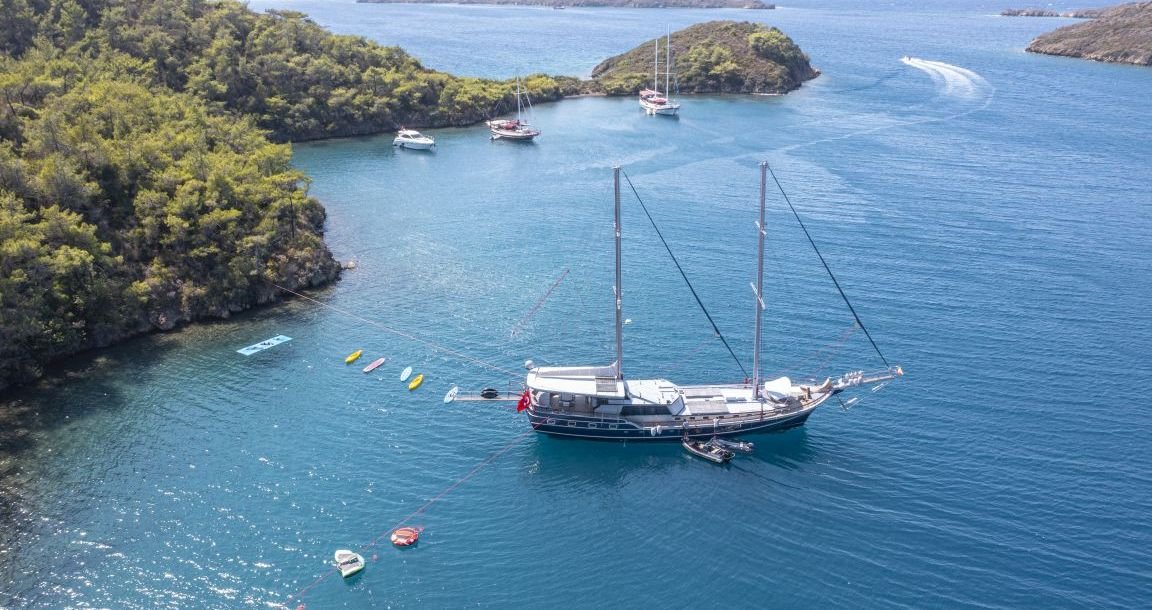
    A Blue Cruise is a recreational voyage along Turkey’s southwestern coastline, typically aboard a traditional wooden gulet schooner . The term “Blue” comes directly from the breathtaking shades of the Aegean and Mediterranean waters that define the region .

    Unlike massive cruise ships that carry thousands of passengers, Blue Cruises offer an intimate, relaxing experience. They combine the leisurely pace of sailing with the comfort of a boutique hotel, stopping at hidden coves, ancient ruins, and quaint villages inaccessible by road.

    The Literary Origins

    The concept of the “Blue Voyage” has its roots in Turkish literature. In 1925, the writer Cevat Şakir Kabaağaçlı—known as “The Fisherman of Halicarnassus”—was exiled to the fishing village of Bodrum . Instead of despairing, he fell in love with the local culture and began taking trips on sponge divers’ sailboats (gulets) with his friends.

    These excursions, later popularized by authors Azra Erhat and Sabahattin Eyüboğlu, became known as “Blue Voyages.” What started as a bohemian escape for intellectuals has since transformed Bodrum from a quiet village into a world-class yachting destination .

    The Vessels: The Gulet

    The heart of the Blue Cruise is the gulet, a traditional wooden motor-sailer. While there are other types of yachts available (such as motor yachts and catamarans), the gulet is the most iconic choice .

    • Design: Gulets are characterized by their broad sterns, which provide ample space for sunbathing and dining. They typically range from 15 to 55 meters in length .
    • Capacity: They can accommodate small groups of 6 to 24 people, making them perfect for family reunions, friend groups, or solo travelers joining a shared charter .
    • Amenities: Modern gulets range from “Standard” to “Luxury/VIP.” High-end vessels feature air conditioning, private ensuite bathrooms, Wi-Fi, jacuzzis, and even water sports equipment like jet skis and paddleboards .

    The Routes: The Turquoise Coast

    Most Blue Cruises operate between the major ports of Bodrum, Marmaris, Fethiye, and Antalya. However, the most famous and beloved route is in the Gulf of Gokova, one of Turkey’s most beloved and scenic sailing destinations.

    Here is a glimpse of a typical itineraries

    Bodrum – Gokova Gulf – Bodrum

    Bodrum – Hisaronu Gulf – Bodrum

    Bodrum – Marmaris

    Bodrum – Gocek

    Bodrum – Fethiye

    What is a Day Like on Board?

    Life on a Blue Cruise follows a relaxing, nature-driven rhythm :

    • 08:00 – Wake up to a breakfast of olives, cheese, fresh bread, and Turkish tea.
    • 10:00 – Sail to the next bay. Jump off the boat for a swim.
    • 12:30 – Lunch (often freshly grilled fish or chicken).
    • 14:00 – Free time for hiking, exploring ruins, or kayaking.
    • 18:00 – Sunset drinks on the deck.
    • 20:00 – Dinner under the stars, followed by stargazing.

    Pricing and 2026 Trends

    If you are planning a Blue Cruise for 2026, here is the expected price landscape. Prices vary significantly based on season and luxury level .

    Vessel CategoryWeekly Price (High Season)CapacityTypical Features
    Standard Gulet€10,000 – €25,0008-12 guestsBasic equipment, crew included
    Deluxe Gulet€25,000 – €45,00010-16 guestsA/C, modern interiors
    Luxury/VIP Gulet€45,000 – €70,000+12-20 guestsJacuzzi, private chef, water toys

    Key Trends for 2026 :

    1. Early Booking is Essential: Demand for luxury gulets in Fethiye and Göcek is extremely high. Experts recommend booking 6-12 months in advance.
    2. The Rise of “Shoulder Season”: To avoid crowds and high prices, travelers are shifting to May-June or September-October. The weather is still excellent, but the anchorages are quieter.
    3. Greek Island Combinations: Itineraries that combine the Turkish coast with nearby Greek islands (like Rhodes or Symi) are becoming increasingly popular, though visas must be arranged.

    What to Pack?

    Packing for a gulet cruise is about casual comfort :

    • Soft Bag (No Suitcases): Storage space in cabins is tight. A duffel bag is easier to store than a hard-shell suitcase.
    • Non-Marking Shoes: You will need soft-soled shoes for the wooden deck.
    • Swimwear & Sun Protection: The sun is intense. Bring biodegradable sunscreen to protect the sea.
    • Water Shoes: Essential for climbing over rocks when jumping off the boat into coves.
    • Light Jacket: Evenings on the water can be breezy.

    Conclusion

    The Blue Cruise is more than just a boat trip; it is a journey through history, nature, and Turkish hospitality. Whether you choose a luxury private charter or a budget-friendly cabin cruise, sailing the Turquoise Coast remains one of the world’s most memorable travel experiences. As the Turkish saying goes, “Once you drink the water of the Mediterranean, you will always return.”