
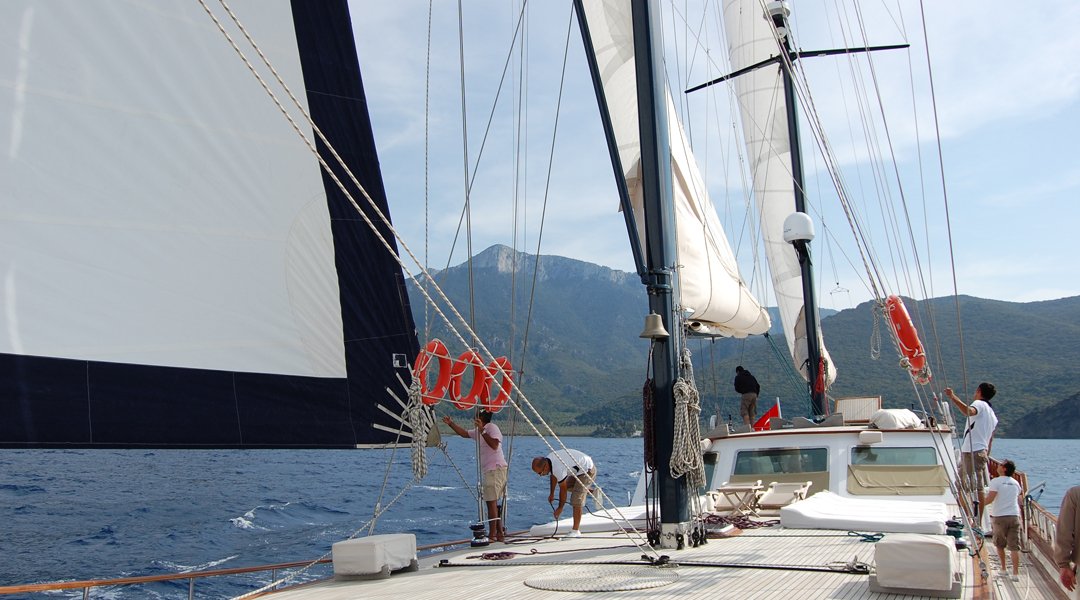
When you picture a gulet holiday, your mind likely drifts to visions of turquoise water, sun-drenched wooden decks, and hidden coves accessible only by sea. But the true magic behind this idyllic escape isn’t just the handcrafted boat—it is the dedicated, hardworking crew who operate tirelessly behind the scenes. They are the soul of the journey, transforming a beautiful wooden vessel into a floating home.
Who Makes Up the Gulet Crew?
Unlike large cruise ships with hundreds of staff, a gulet operates with a small, tight-knit team. The crew size typically ranges from 3 to 6 professionals, depending on the size and luxury level of the vessel. While roles often overlap in the spirit of teamwork, each member has distinct responsibilities.
The Captain: The Master of the Coast
The captain is the undisputed leader of the vessel, responsible for navigation, safety, and the overall itinerary. However, on a gulet, the captain is also a host, a guide, and a storyteller. Most captains possess an encyclopedic knowledge of the local coastline, often having sailed these waters since childhood. They don’t adhere to a rigid, pre-set route; instead, they tailor the journey to the group’s energy, choosing a lively bay for socializing or a secluded cove for tranquility based on the wind and light.
The Chef: The Keeper of Flavors
Dining on a gulet is a highlight of the experience. The chef is responsible for all meals, often starting the day before sunrise to source the freshest ingredients from local markets. This role goes beyond simple cooking; it is about creating a culinary journey. A skilled gulet chef will prepare massive breakfast spreads, multi-course lunches, and grilled dinners under the stars, all while accommodating specific dietary restrictions. Meals are rarely plated individually; instead, they are served “family style” to encourage sharing and connection.
The Deckhand/Sailor: The Engine of the Boat
Deckhands are the muscles of the operation. Their duties include the physical tasks of sailing: mooring, anchoring, cleaning, and maintaining the vessel. When the gulet moves to a new bay, the deckhand is responsible for the lines, the dinghy, and the anchor. They also assist guests with water toys like paddleboards and kayaks. In the hierarchy of the boat, they are essential for keeping the exterior spotless and the machinery running smoothly.
The Steward/Stewardess: The Quiet Presence
On larger or luxury gulets, a steward or hostess is present to handle hospitality. Their service is designed to be “invisible”—anticipating needs before a guest speaks. They are responsible for serving drinks, tidying cabins, fluffing cushions, and ensuring the atmosphere remains serene. They bridge the gap between the heavy work of the deckhands and the culinary art of the chef.
A Day in the Life: Rhythm of the Sea
Life for the crew begins early and ends late, yet it is driven by the natural rhythm of the sea rather than the clock.
- The Early Shift: While guests sleep, the deckhand is washing down the decks and the chef is preparing a hot breakfast. The captain is already checking the weather radar to plan the day’s route.
- Cruising & Service: As the gulet cruises to the next swim stop, the steward serves coffee and snacks. If the weather is right, the crew will hoist the sails. Because gulets are heavy wooden vessels, sailing requires precise coordination between the captain on the helm and the deckhand on the lines.
- Evening Rituals: As the sun sets, the crew works in overdrive. The deckhand secures the boat for the night, the chef fires up the barbecue on the back deck, and the steward sets the table for a dinner under the stars.
The Challenges and Rewards of the Job
Working on a gulet is a lifestyle, not just a job. It comes with unique challenges and unparalleled rewards.
Challenges:
- Intense Season: The work is grueling, especially during the peak summer season. Crew members often work 16-18 hour days, seven days a week.
- Close Quarters: Living and working in close proximity with the same few people requires immense patience and strong interpersonal skills.
- Unpredictability: The crew must adapt instantly to changing weather, mechanical issues, or shifting guest preferences.
Rewards:
- Natural Office: The “office view” is unbeatable—sunsets over the Aegean, swimming in crystal clear waters during breaks, and waking up to sunrise in secluded bays.
- Family Bonds: The intensity of the work creates a strong bond among crew members. They often describe their teammates as a second family.
- Guest Satisfaction: The greatest reward for the crew is seeing the genuine joy and relaxation of the guests. They take pride in knowing they created a memorable holiday.
How to Join a Gulet Crew: A Career Guide
For those inspired to join this world, entering the yachting industry requires specific qualifications, particularly due to safety regulations.
Essential Certifications
Unlike a standard job, working at sea requires mandatory safety training. The most important credential is the STCW Basic Safety Training (BST). This 5-day course covers:
- Personal Survival Techniques
- Fire Prevention and Fire Fighting
- Elementary First Aid
- Personal Safety and Social Responsibilities
Additionally, crew members need a seafarer’s medical certificate (such as ENG1) to prove they are fit for duty at sea.
Entry-Level Strategy
Most people start as a Deckhand or Steward/Stewardess on a smaller charter boat or gulet to gain experience. It is highly recommended to apply in popular yachting hubs (like Turkey, Croatia, or Montenegro) just before the season starts (late spring). Fluency in English is essential, and other languages (like German, Russian, or Turkish) are a major advantage.
The Crew’s Private Space: Separation and Respect
A crucial aspect of gulet design is the separation between guest and crew areas. Crew cabins are almost always located in the bow (front) of the boat, completely separate from the guest cabins, which are usually midship or aft. This separation ensures that guests have total privacy—they rarely see the crew sleeping or resting, maintaining the illusion that the boat runs like a well-oiled, invisible machine.
Conclusion
The next time you step onto a gulet, look past the polished wood and the sparkling water. Watch the deckhand jump to secure the lines, appreciate the complex flavors coming from the chef’s galley, and trust the captain’s instinct as he steers toward a quiet bay. They are not just service providers; they are maritime professionals, local historians, and silent guardians of your peace at sea. They are what turns a boat trip into a true voyage.