
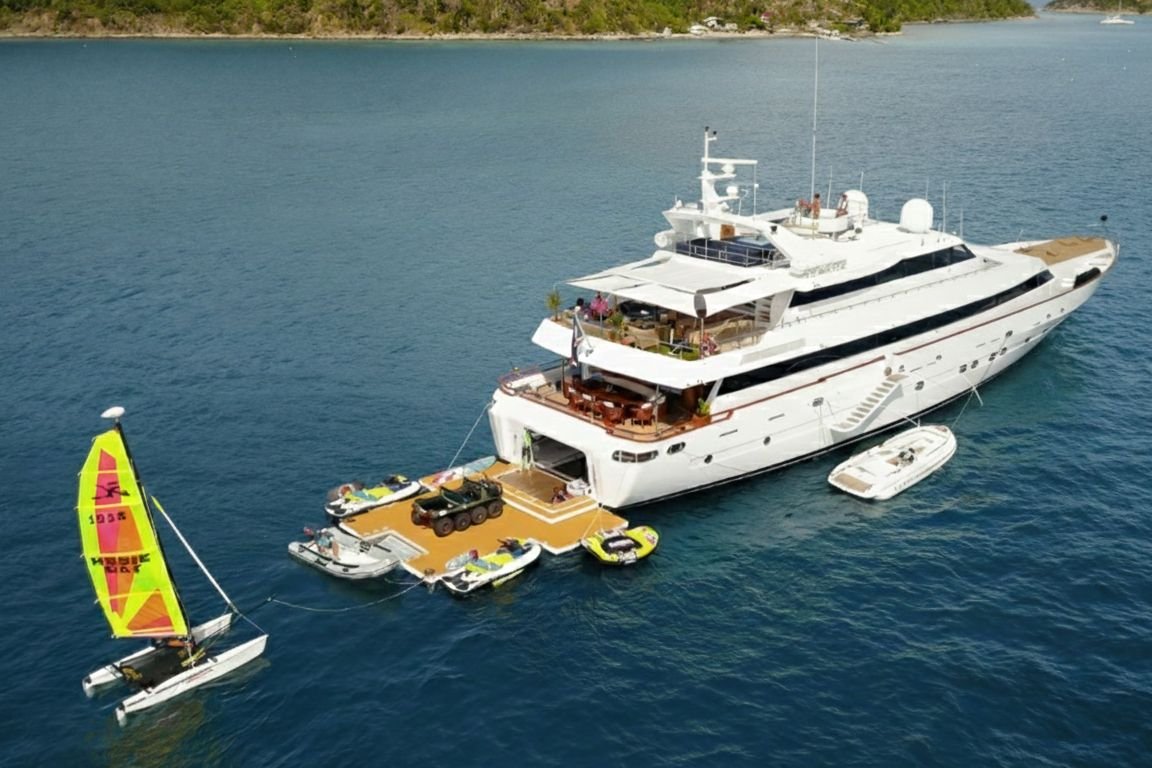
Turkey, a nation straddling two continents, is not just a tourist paradise-it is a maritime powerhouse. With coastlines along the Aegean, Mediterranean, and Black Seas, Turkey has become a global hub for shipbuilding, refit, and yachting. Consequently, the yacht brokerage industry in Turkey has matured into a sophisticated, dynamic, and highly competitive market.
Whether you are looking to buy a traditional gulet, a multi-million dollar superyacht, or sell a used motor cruiser, understanding the nuances of Turkish yacht brokerage is essential. Here is everything you need to know.
The Unique Turkish Market: Gulet and Superyachts
Unlike the Mediterranean hubs of France or Italy, which focus heavily on sailing racers and high-volume production motor yachts, the Turkish brokerage market has two distinct pillars:
- The Gulet Market: Turkey is the capital of the gulet—a traditional wooden double or triple-masted schooner. These vessels are built primarily in Bodrum, Marmaris, and Antalya. A robust secondary market exists for pre-owned gulets, ranging from 24m to 45m. Brokerage here focuses on condition of wooden hulls, engine hours, and charter potential.
- The Superyacht Refit Market: Due to the strong shipbuilding infrastructure in Yalova, Tuzla (Istanbul), and Antalya, many foreign-owned superyachts come to Turkey for refits. Consequently, brokers often list vessels that are “located in Turkey” but registered elsewhere (Cayman Islands, Malta, etc.).
The Legal Landscape: How Brokerage Works in Turkey
Understanding the regulations is critical. Unlike the US, where “brokers” often hold state licenses, Turkey operates under the Ministry of Transport and Infrastructure and Turkish Chamber of Mechanical Engineers (MMO) guidelines.
- The “Yetki Belgesi” (Authorization Certificate): A legitimate Turkish yacht broker must have a signed “Authority to Sell” contract from the owner. Without this document, the brokerage is technically illegal.
- The General Declaration: For foreign-flagged vessels located in Turkish waters, the sale requires a “General Declaration” to be stamped by the harbor master, effectively changing the vessel’s status.
- VAT Considerations: This is the trickiest part. Turkey has high VAT (currently 20% + special consumption tax for large engine vessels). If a boat is in Turkey under a “Temporary Importation” (e.g., a foreign yacht visiting), selling it to a Turkish resident triggers massive tax bills. A good broker knows how to navigate “export sales” (delivering the boat outside Turkish waters) to avoid this.
What Services Do Turkish Yacht Brokers Offer?
Top-tier brokerages in Turkey (such as Bering Yachts Brokerage, Northrop & Johnson Turkey, or local specialists like Ali Sanmarin Yachting) do not just list boats. They provide:
1. Professional Pre-Purchase Inspections (Survey Management)
Turkey has excellent surveyors, but a broker coordinates the “haul-out” (taking the boat out of the water). In shipyards like Kumport (Istanbul) or Marmaris Yacht Marina, brokers arrange for ultrasonic hull thickness testing (critical for steel yachts) or moisture metering (for wooden gulets).
2. Documentation & Flag Transfer
Transferring a vessel from a Turkish “Blue Card” (waste tracking) system to a foreign flag is bureaucratic. Brokers manage the “Transaction Minutes” (Tutanak) needed to deregister a Turkish-flagged vessel.
3. Escrow & Payment Security
Turkish banking regulations require currency control for large sums (over $50k). Brokers often work with “Notary Public” escrow services or bank letters of credit, ensuring the seller gets their Euros/Dollars and the buyer gets a clean title.
The Top Yacht Brokerage Hubs in Turkey
Where you search defines your inventory:
- Bodrum: The heart of the gulet trade. If you want a wooden classic, look here. Brokers focus on lifestyle and charter income projections.
- Istanbul (Ataköy Marina & Tuzla): The center for high-volume motor yachts (Azimut, Princess, Sunseeker) and mega-yachts over 40m. Most professional corporate brokerages are based in Istanbul.
- Antalya (Kemer & Setur Marinas): The “refit alley.” Many distressed or project yachts are sold here “as is” after winter storage. Great for bargain hunters with restoration skills.
- Marmaris: A mix of charter gulets and high-performance sailing yachts. Excellent for brokerage of Dutch-built steel yachts.
The Risks: “Commission Sellers” vs. Real Brokers
The Turkish market has a unique pest: the Komisyoncu (unlicensed middleman). These are often marina waiters, taxi drivers, or café owners who claim to know a boat for sale. Do not deal with them.
- Real Broker: Has a signed listing agreement, offers sea trials, provides a survey history, and has professional indemnity insurance.
- Commission Seller: Asks for a “finder’s fee” upfront. Usually has no access to the owner’s logbook or the vessel’s title deed.
Trends in 2024-2025: The Current State of Play
As of late 2024 and looking into 2025, the Turkish brokerage market is experiencing:
- The “Dollar/Euro” Squeeze: Due to Turkish Lira inflation, locals are desperate to convert cash into hard assets (yachts). This has inflated prices for sub-50ft boats.
- Russian Buyers: Despite sanctions, a significant number of Russian buyers use Turkish brokerage houses (operating in USD cash) to acquire yachts without returning to their home ports.
- Green Transition: Turkish brokers are increasingly asked for “Hybrid” or “Low emission” gulets. New builds are shifting, but the brokerage market for used diesel boats remains strong due to the lack of charging infrastructure.
Steps to Buying a Used Yacht in Turkey via a Broker
- Sign a NDA/LOI: Express interest. The broker will share the full specs.
- The Offer: You make a written offer (valid for 48-72 hours) with a 10% deposit (PAD – Paying Agent Deposit).
- Condition Survey: You pay for the surveyor (2k−5k). The broker coordinates the lift.
- Title Search: The broker checks the “Turkish Ship Registry” (Gemi Sicil) for mortgages or liens. (This is free and public in Turkey, unlike many countries).
- Closing: You meet at a Notary or Bank. Money changes hands. The broker collects their commission (usually 10% paid by seller, but negotiable).
Conclusion
Yacht brokerage in Turkey is a land of opportunity but requires local navigation. The country offers some of the best value for money in the Mediterranean—particularly for steel-hulled displacement yachts and wooden gulets. However, the regulatory labyrinth of VAT, Temporary Importation, and currency control makes a licensed, professional broker not a luxury, but a necessity.
Vira bismillah (Let go with God’s name)—with the right broker, your Turkish yacht adventure can begin smoothly.
Quick Tips Summary for Buyers:
- Always verify the “Authorization Certificate.”
- Never pay cash to a middleman without a marina receipt.
- Assume the boat needs 10-15% of its purchase price in refit (especially if it’s a wooden gulet).
- Check the engine hours against the winter storage logs (Turkish marinas track entry/exit).
Disclaimer: This article is for informational purposes. Laws and tax rates in Turkey change frequently. Always consult a local maritime attorney.